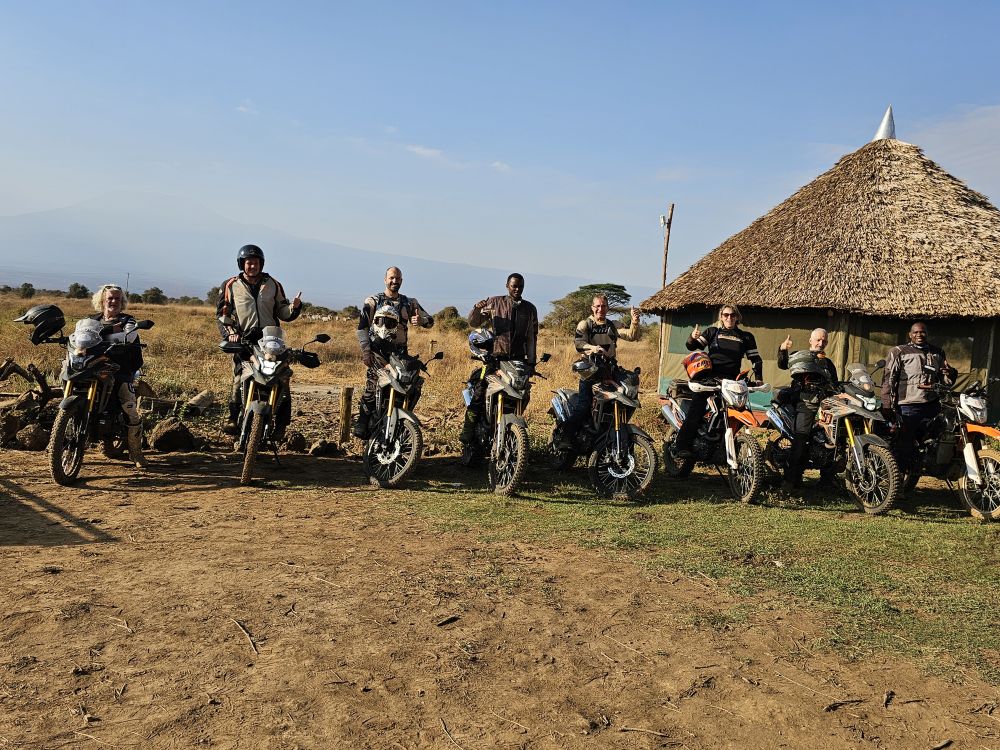

Riding across the open landscapes of Tanzania, crossing remote mountain passes in the Himalayas or exploring the jungles of Southeast Asia on two wheels is the kind of journey many motorcyclists dream about. When planning an overseas motorcycle adventure, it is easy to picture a large adventure bike: plenty of power, sophisticated electronics, aluminium panniers and a fair amount of weight. On European roads, that can be comfortable and great fun. But once the tarmac ends and the route continues over gravel, sand, dirt roads or narrow mountain tracks, different qualities start to matter.
On many of our adventure motorcycle tours in Africa, Asia and Latin America, we deliberately use lighter motorcycles between 150 and 450 cc. Not because larger adventure bikes are inherently less suitable, but because local conditions often make other qualities more important: low weight, easy handling, reliability and straightforward mechanics.
At Motor2Travel, we have been organising motorcycle tours around the world for many years, and we know the discussion well. Riders who own a large adventure bike at home sometimes look at a 150 or 250 cc rental bike with a certain amount of scepticism. Once we hit the road, however, it usually doesn’t take long to understand why we choose smaller motorcycles for many of our tours.
Less weight can mean more control, less power can make for more relaxed riding and, on the right roads, a small motorcycle can be enormous fun. So why does size matter?
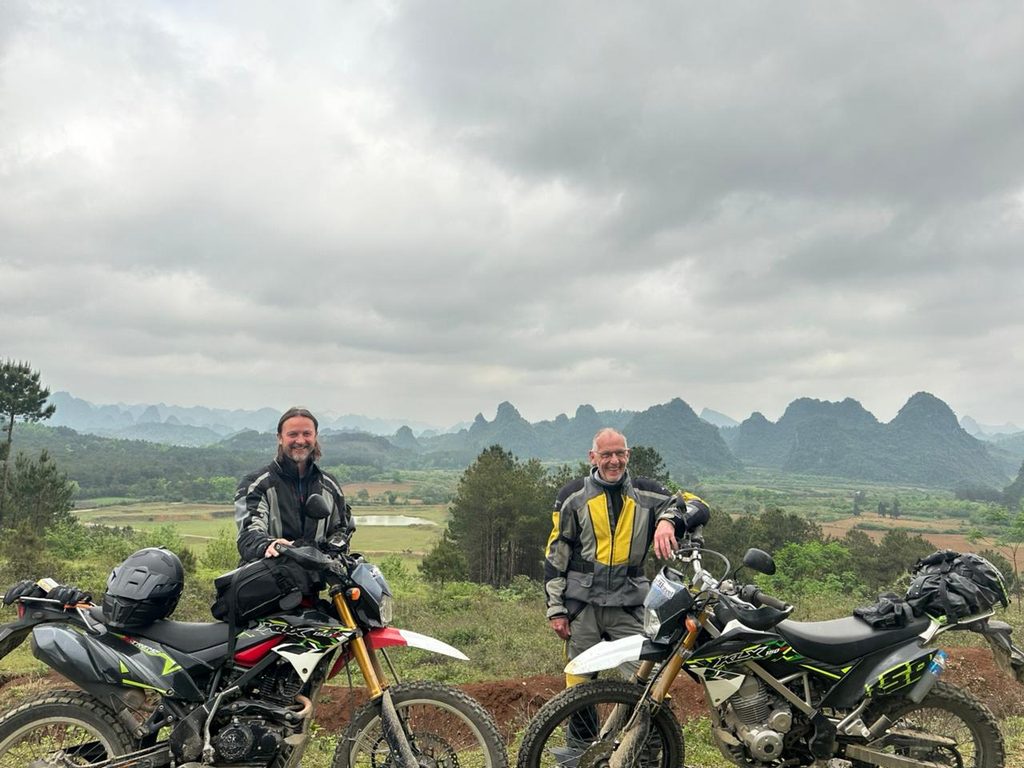
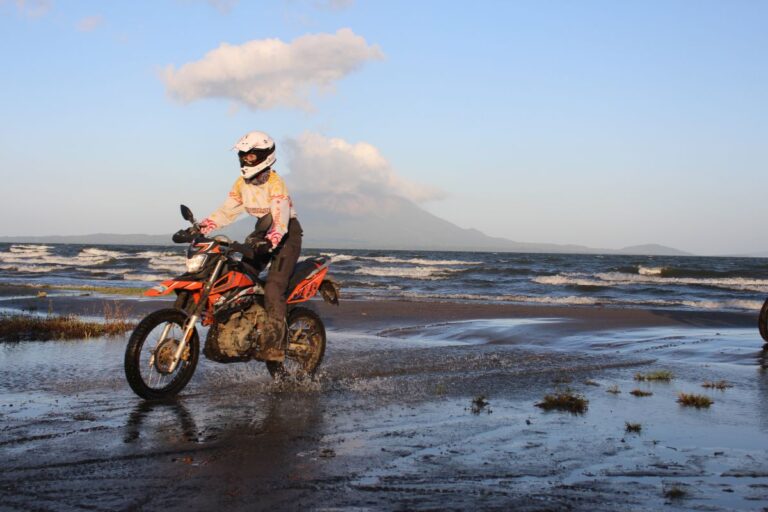
Let’s start with one of the main advantages of a smaller motorcycle: weight. A large adventure bike can easily weigh well over 200 kg with a full tank of fuel. On tarmac, that is rarely a problem. On loose gravel, sand, mud or during a river crossing, it is a different story. A lighter motorcycle is easier to control and correct when the surface starts moving underneath you. If the front wheel slides or you briefly lose your balance, every kilogram less makes a difference. And if the bike does end up on its side, getting it upright again is usually far easier. Over the course of a long motorcycle tour, that saves energy and can make difficult sections much more manageable.
Most of our motorcycle tours last between 10 and 20 days, and on many days we spend several hours in the saddle. Riding a heavy motorcycle on loose or uneven terrain requires considerably more physical effort than riding a lighter bike. As fatigue increases, concentration and reaction times can suffer. A manageable motorcycle therefore doesn’t just save energy. It can also help you enjoy the riding just as much after several days on the road.
There is no prize for being the first rider to reach the hotel. Our tours are about riding a motorcycle while experiencing the country along the way. We want to explore mountain roads, pass through villages, stop for a coffee or a photograph and see something of everyday life beyond the main tourist routes. On gravel, narrow mountain roads are shared with potholes, livestock and local traffic, there are few opportunities to make sensible use of 80 or 100 bhp anyway. A smaller engine usually provides more than enough power for this type of riding. And at a slightly slower pace, you often see more of the country as well.
Smaller motorcycles also have an economic advantage. They cost less to buy and maintain, which ultimately helps keep the cost of a motorcycle tour reasonable. For us, however, there is another consideration that matters even more: repairability. Motorcycles that are commonly used in a country tend to have better local parts availability and are often easier to repair than a large, sophisticated adventure bike. When you are hundreds of kilometres from the nearest authorised dealer, straightforward and robust engineering can be worth far more than the latest electronics.
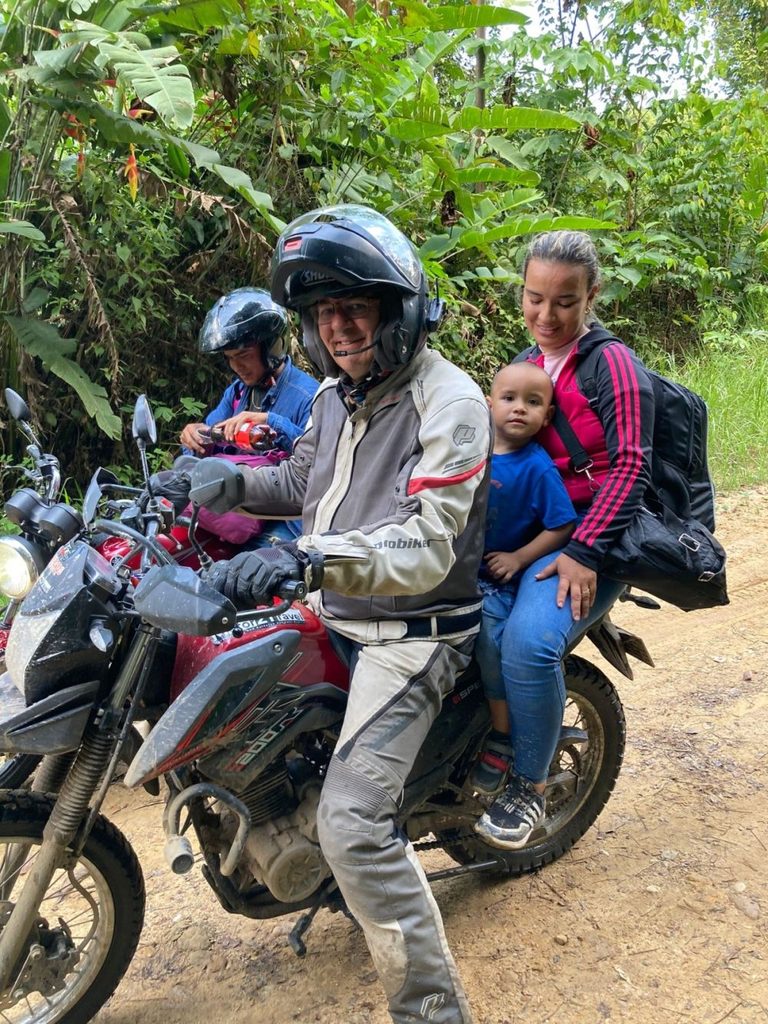
In many of the countries we travel through, small motorcycles are simply part of everyday life. They take people to work and to the market. They carry families, boxes, sacks and sometimes quantities of luggage that leave us wondering how it all stays on the bike. Riding a smaller motorcycle means our group can sometimes blend into the local traffic more naturally than a convoy of large adventure bikes.
Motorcycles are also good conversation starters. A simple 150 or 250 cc bike gets looked at, compared and discussed. Someone may recognise the model, ask where we come from or want to know where we are heading. These encounters cannot be scheduled into an itinerary, but for us they are as much a part of an adventure motorcycle tour as the roads themselves.
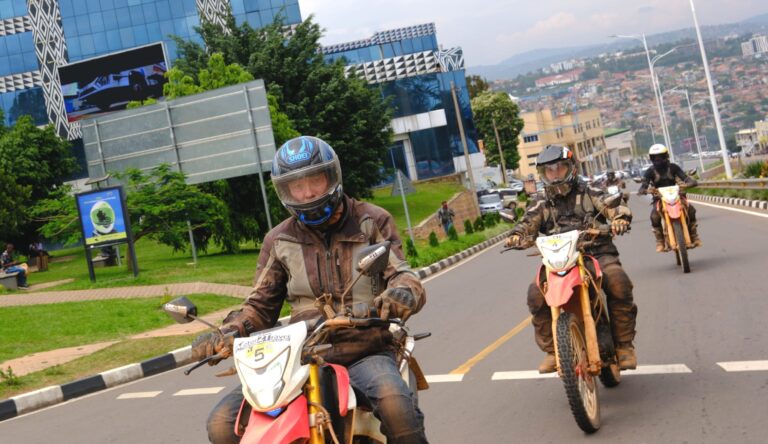
At Motor2Travel, we choose our rental motorcycles according to the route, terrain and riding conditions of each tour. On trips with more off road riding, we deliberately favour lighter bikes. In East Africa, Colombia and Nicaragua, motorcycles between 200 and 250 cc have proved well suited to our routes. They are manageable, robust and work particularly well on gravel, dirt roads and more challenging sections.
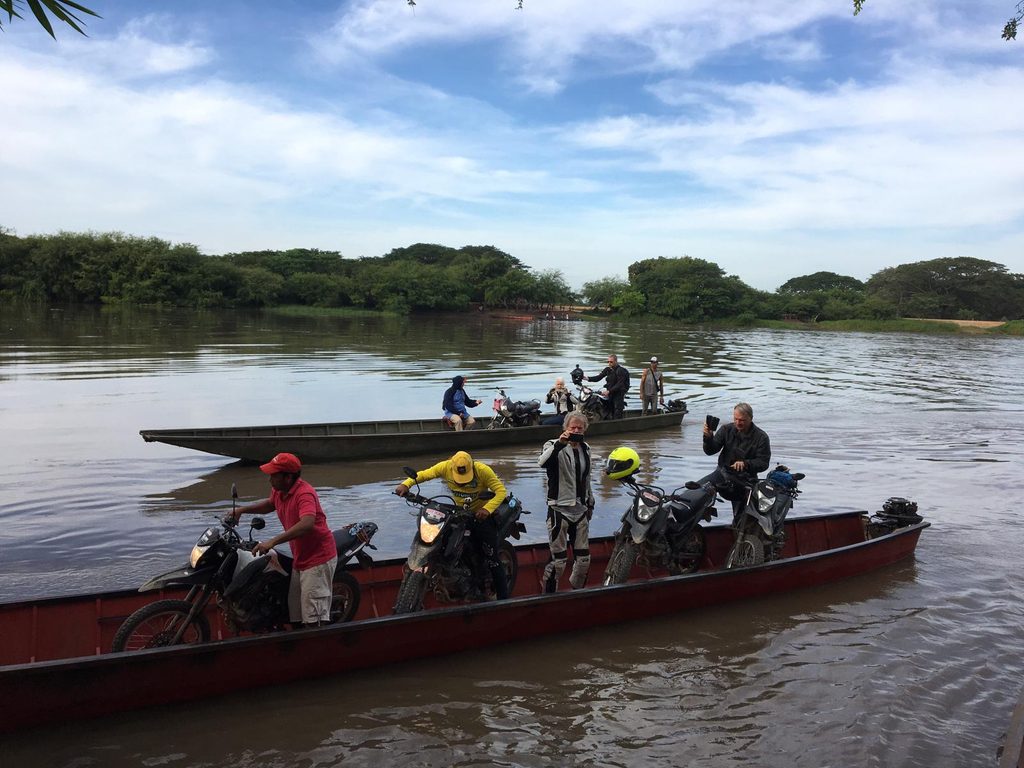
In Vietnam, our standard rental motorcycle is even smaller: the Kawasaki KLX 150. When we take a shortcut along a narrow trail, cross a small homemade bamboo bridge or put the motorcycles on a bamboo raft to cross a river, you quickly appreciate how useful a lightweight bike can be. Riders looking for a little more power can, subject to availability, upgrade to a Kawasaki KLX 230 or KLX 250. For riders travelling with a pillion, we recommend the Kawasaki Versys X 300.
In India, the Royal Enfield Himalayan has almost become part of the Himalayan experience itself. Depending on the tour and availability, riders can choose between the established Himalayan 411 and the newer Himalayan 450.
Peru and Patagonia are different again. Longer daily distances and different road conditions mean that larger motorcycles make more sense. Our rental options here start at around 450 cc. Depending on the tour and availability, choices range from the CFMoto 450 to larger adventure motorcycles such as the Honda Africa Twin and BMW R 1300 GS. That is the point: we don’t choose a motorcycle simply because it has the biggest engine. We choose the bike that suits the journey. If you would like to upgrade to a larger model, it is worth booking early. Larger rental motorcycles are often available only in limited numbers.
We hear this question regularly, particularly from riders who own a large adventure motorcycle at home. It can be difficult to imagine spending a motorcycle holiday on a 200 or 250 cc bike when you are used to far more power. Gunther, who joined our Colombia Caribbean & Andes motorcycle tour, had exactly that experience. At home he rides a powerful cross enduro, but after riding the small AKT in Colombia his verdict was clear:
“Are 200 cc motorcycles too small? Absolutely not. These bikes are ideal for this kind of trip, particularly with so many off road sections. I ride a powerful cross enduro at home, but in Colombia I can leave the BMW, Ténéré and Africa Twin riders behind on the little AKT.”
His experience reflects something we see again and again: engine capacity alone tells you very little about how suitable a motorcycle is for a particular journey.
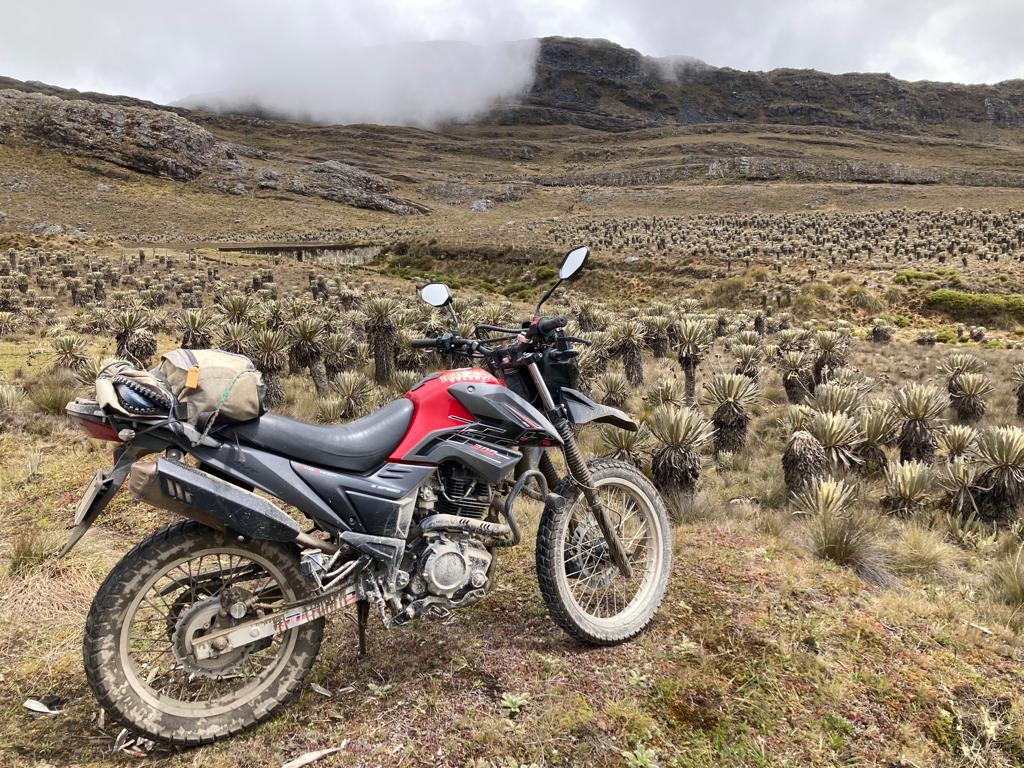
There is no single good answer. Less weight often means more control. Less horsepower can mean more relaxed riding. And a motorcycle that can be maintained and repaired locally may be more useful on a long distance adventure than the latest technology. That is why we don’t select our rental motorcycles according to engine size or prestige. We look at the roads, distances, terrain and conditions in each destination. Sometimes the right bike is 150 cc. Sometimes it is 250 or 450 cc. And on other tours, a large adventure bike is exactly the right choice.
In the end, it isn’t about how much horsepower is parked outside the hotel. It’s about where the motorcycle can take you.
Over de auteur

Motor2Travel develops and organizes adventurous motorcycle tours worldwide. Since 2006, they guide tours across the globe, using their experience to connect travellers with countries, cultures and local communities beyond the beaten track.
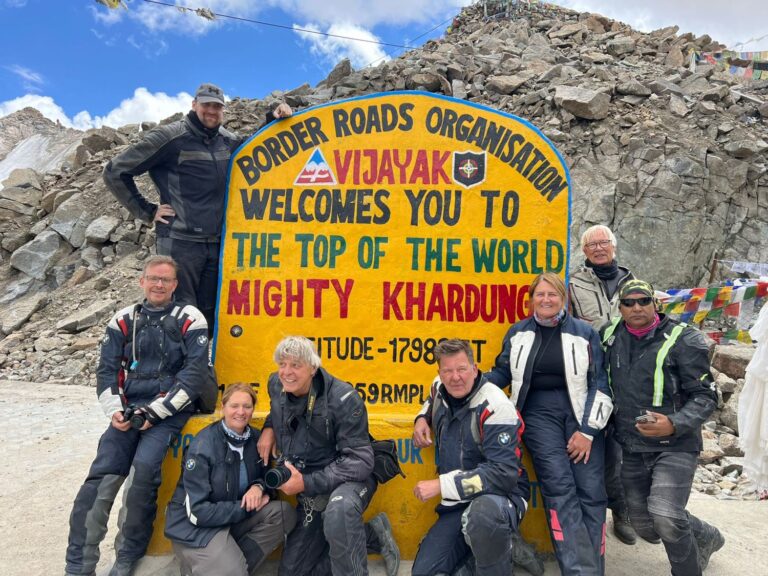
Dreaming of endless mountain switchbacks in the Himalayas or the Andes? At altitudes above 2,500 meters, altitude sickness can become an invisible passenger on your motorcycle adventure. This blog explains the causes and common symptoms of altitude sickness, along with practical tips to prevent it—from gradual acclimatization and proper hydration to the right nutrition. Discover how to ride safely and enjoy high-altitude motorcycle touring while protecting your health.
Unsere Reisepreise sind versichert