
You’re sitting on the plane, approaching Kigali. Suddenly, the microphone crackles, and the flight attendant makes an announcement that your biker brain first has to process: “Ladies and gentlemen, we will be landing in Rwanda shortly. Please note that the import of plastic bags is strictly prohibited.”
You look at your hand luggage. Inside is that slightly battered zip bag you’ve been using for the past five years to carry your toothbrush and visor cleaning spray. Should you throw the thing away now? Could you get into trouble at immigration over a freezer bag? Welcome to East Africa. More precisely: welcome to what you will probably find to be the cleanest country you have ever crossed on two wheels.
Anyone who has never been to Africa usually has a very specific image in mind. We think of dusty tracks, adventurous chaos and—let’s be honest—often piles of rubbish along the roadside. When it comes to Rwanda, many Europeans immediately think of a dark chapter in history: the terrible genocide of 1994. That is understandable, because this trauma shaped the country. But anyone arriving in Kigali by motorcycle today will first rub their eyes in disbelief. The image we have from afar simply does not match the reality that greets you here.
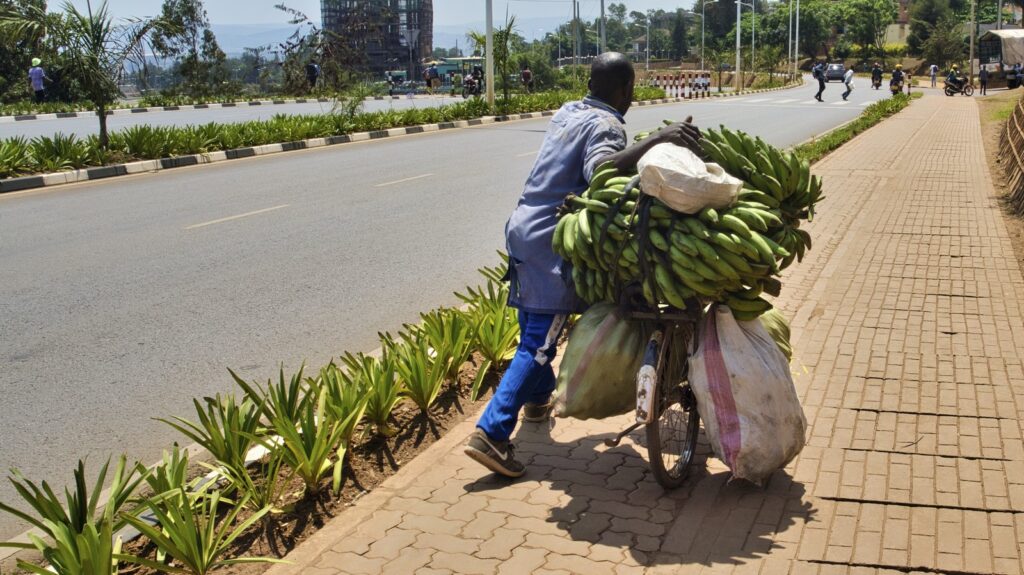
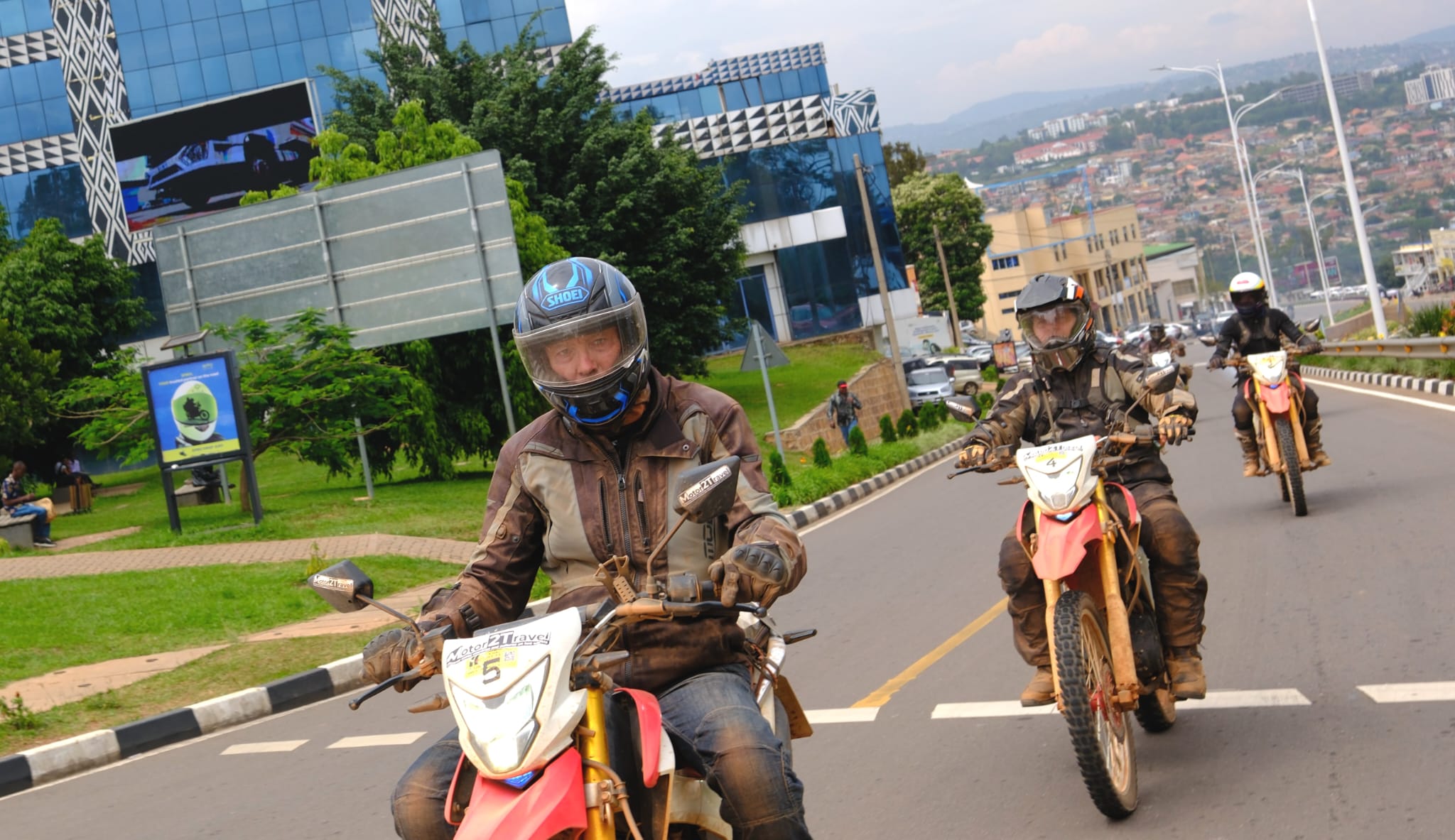
You leave the airport, get on your motorcycle the next day, roll onto Kigali’s main road—and for a moment, you think you have taken a wrong turn and somehow ended up in Singapore or Switzerland. Where is the dirt? Where are the plastic bottles in the roadside ditches? Where is the typical chaos?
The streets of Kigali are cleaner than your mother-in-law’s living-room table. No joke. The asphalt gleams, the pavements are swept, and the green strips on either side are trimmed so neatly that it looks as if someone has gone over them with nail scissors. Even the motorcycle taxis—the famous “motos”—stand neatly in line. Every rider wears a clean numbered vest, and every passenger is given a helmet. As a motorcycle traveler who normally enjoys a little charming chaos, you initially find yourself speechless at the side of the road.
So how do they do it? The secret behind this cleanliness is not a huge army of paid street cleaners, but a word you will quickly learn: Umuganda.
Translated, it means something like “community work” or “coming together for a common purpose.” On the last Saturday of every month, public life in Rwanda comes to a standstill between 8:00 and 11:00 in the morning. No shops are open, and traffic is heavily restricted. Instead, every healthy citizen between the ages of 18 and 65 picks up a broom, shovel, or pickaxe. Together, people repair roads, plant trees, collect rubbish, or build houses for those in need. Even the president takes part.
So if you start your motorcycle on a Saturday morning to explore the country’s winding roads, you’ll have to stay put for a while. And that’s a good thing. It shows the deep pride Rwandans have in their country. They don’t wait for someone else to clean up their mess. They do it themselves.
This sense of community has created a strong awareness of environmental protection, order, and cleanliness. The plastic bag ban that made you nervous on the plane has been in place here since 2008. While we in Europe were still discussing plastic straws, Rwanda simply tackled the problem at its root. If you are caught carelessly throwing rubbish around here, you face hefty fines—and disapproving looks from the locals.
But the success of recent decades is impossible to overlook. From the ruins of its past, a safe, modern, and well-organized country has emerged. Today, Rwanda is considered one of the safest travel destinations in all of Africa.
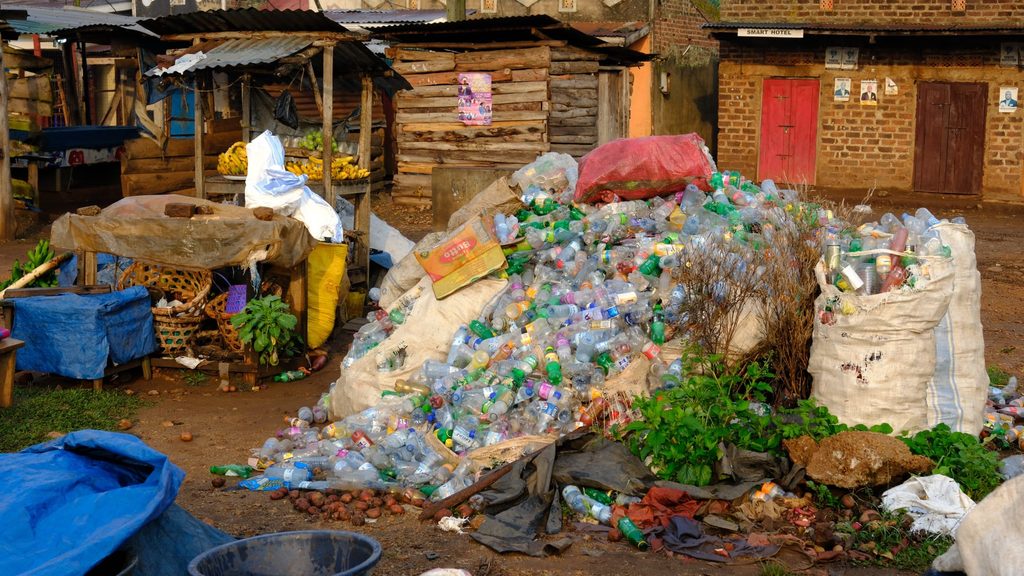
We experience just how big the difference can be on our motorcycle tour through Rwanda and Uganda, literally within just a few kilometers. We cross the border, continue into Uganda—and suddenly, the scenery along the road changes.
While plastic bags have largely disappeared from everyday life in Rwanda and cleanliness is given a high priority, we encounter noticeably more plastic waste in Uganda. Bags and plastic bottles lie along the roadside or have become caught in bushes and trees. The contrast is striking, especially when you have been riding through Rwanda just a few hours earlier.
That does not mean, however, that environmental protection plays no role in Uganda. Uganda also has environmental laws and restrictions on certain thin plastic bags. In practice, however, consistent enforcement and comprehensive waste disposal are lacking in many places. Especially outside the larger cities, there is not always regular waste collection or enough collection points.
It is precisely these differences that make a journey through two neighbouring countries so interesting. On the map, Rwanda and Uganda are separated by just one shared border. From the motorcycle, however, you can sometimes notice after only a few kilometers how differently two countries can develop and organize themselves.
So, what is the takeaway for your packing list for our Rwanda & Uganda motorcycle tour? Leave the plastic bags at home and take cloth bags for your small items instead. And then take a close look as you travel. Because sometimes, the roadside can tell you more about a country than any travel guide ever could.
Over de auteur

Motor2Travel develops and organizes adventurous motorcycle tours worldwide. Since 2006, they guide tours across the globe, using their experience to connect travellers with countries, cultures and local communities beyond the beaten track.
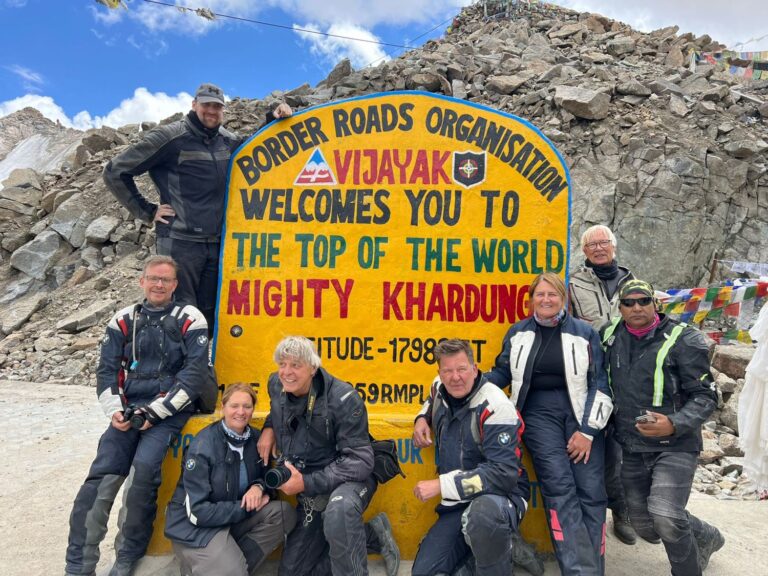
Dreaming of endless mountain switchbacks in the Himalayas or the Andes? At altitudes above 2,500 meters, altitude sickness can become an invisible passenger on your motorcycle adventure. This blog explains the causes and common symptoms of altitude sickness, along with practical tips to prevent it—from gradual acclimatization and proper hydration to the right nutrition. Discover how to ride safely and enjoy high-altitude motorcycle touring while protecting your health.
Unsere Reisepreise sind versichert