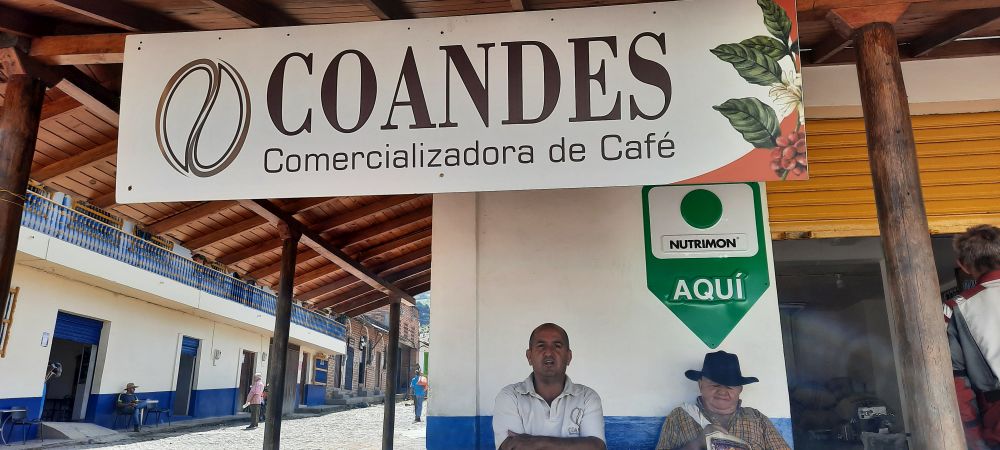

Imagine this: you’ve booked the ultimate motorcycle adventure in Colombia’s coffee region. For months, you’ve pictured yourself sitting on the veranda of an idyllic finca, gazing out over mist-covered, green hills. In your hand? A freshly brewed, deep-black espresso with a perfect crema, its delicate fruity notes making your taste buds dance. After all, you’re in one of the world’s great coffee regions! What could possibly go wrong?
Reality catches up with you at the latest when you leave the glittering cities behind and arrive in a sleepy mountain village in the Andes. Full of anticipation, you sit down at a local café—which often consists of nothing more than a plastic table and chairs on the pavement—and confidently order a coffee. The friendly señora behind the counter smiles, nods, pours something from a thermos flask, and hands you a tiny plastic cup. You take a cautious sip.
And that is exactly when you experience your first, completely unexpected Colombian cultural shock.
What you have in your mouth doesn’t taste like the coffee bean you know and trust. It’s thin. It’s extremely sweet. In terms of color, it looks more like lukewarm chamomile tea concentrate, and it actually tastes only vaguely like coffee. Welcome to everyday life in Colombia. You’ve just had your first real “Tinto.”
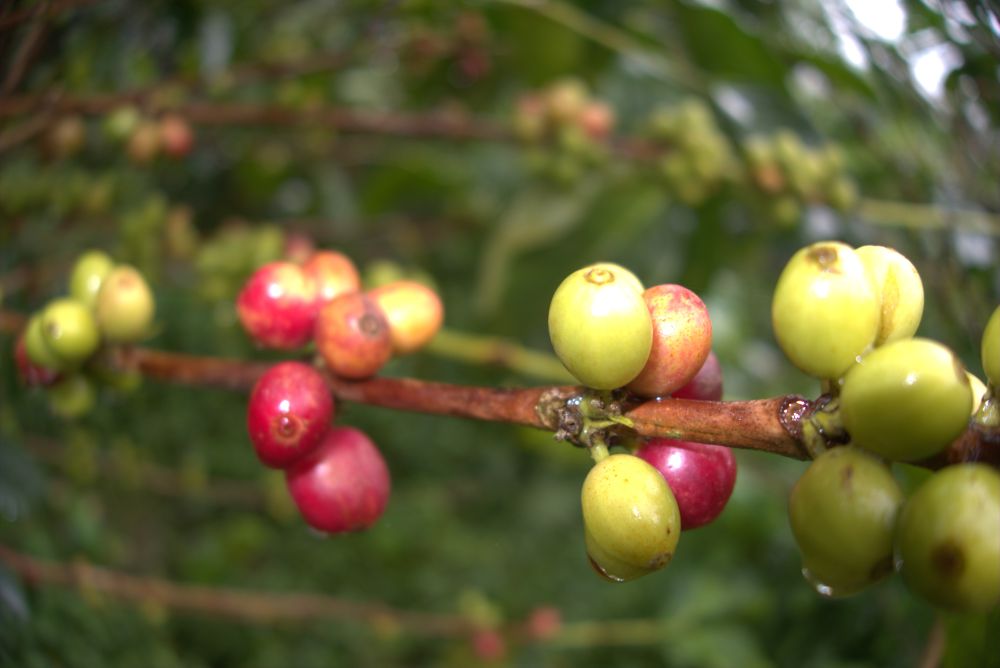
How is it possible that, in the country of the world’s best coffee, such a poor brew is being served? The answer is simple: everything with the reputation, quality, and fantastic aroma leaves the country immediately after harvest. The absolute premium beans are exported on a large scale to Germany, Italy, Japan, or the USA. There, they end up in the roasteries of major cities and are sold to coffee lovers at a high price.
And what is left for Colombians? The so-called “Pasillas.” These are second- or third-choice beans—the ones that are damaged, overripe, or simply too small for the global market. This rejected coffee is roasted cheaply within the country, often almost burnt to disguise the quality defects, and eventually ends up in local kitchens.
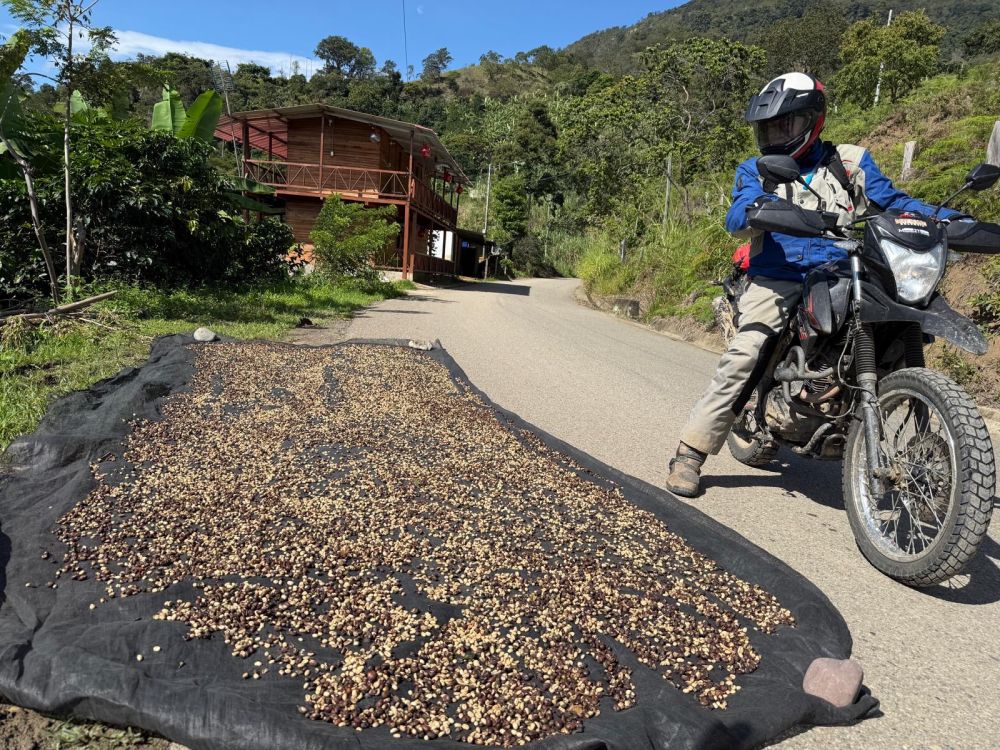
There is also a fundamental difference in coffee culture. While we in Europe have turned drinking coffee into a science—with precisely tempered water, weighing coffee down to the gram, and discussions about the perfect oat milk foam consistency—in Colombia, it is approached pragmatically. A Tinto has to meet three criteria: it must be boiling hot, it must contain a generous amount of sugar (or the traditional cane sugar block known as Panela), and it must provide a quick energy boost.
For the average Colombian in rural areas, Tinto is not a drink to enjoy while slowing down, but a social fuel. It is consumed throughout the day, from tiny cups, on every street corner, for just a few cents. Taste? Secondary. The main thing is that the sweetness hits and the drink warms you from the inside.
If you ask for a cappuccino, a flat white, or even a simple espresso in a typical village, you’ll usually get nothing but puzzled looks. Frothing milk or even using an espresso machine? Not a chance. In rural regions, these terms are completely unknown. Coffee, or Tinto, comes from a large metal pot, where the grounds are often boiled directly with the sweetened water.
Before you panic and cancel your plane tickets, don’t worry: you won’t have to go without caffeine or a proper coffee experience during your trip. Colombians have long understood that Europeans and North Americans can barely hide their horror when they are presented with a Tinto. In tourist-frequented cities such as Bogotá, Medellín, Cartagena, Santa Marta, or in the famous Coffee Triangle (Eje Cafetero), they have adapted perfectly to Western tastes.
Here, you’ll find the country’s major modern coffee chains on practically every corner. Places like Juan Valdez (the Colombian Starbucks, only with a better image) or Café Oma offer you the full coffee experience. There, you can get your usual latte macchiato with a perfect milk-foam heart, freshly ground single-origin espresso, and even choose between different filter methods. The trendy specialty coffee scene is also booming in the cities and is slowly but surely bringing the country’s finest coffee back home.
The shock of your first Tinto is simply part of a trip to Colombia, just like salsa music and banana plants along the roadside. It is part of the real, authentic culture away from the postcard-perfect scenery.
So, if you soon find yourself somewhere in the middle of nowhere, step off your motorcycle and a toothless, kind-hearted old man offers you a steaming, incredibly sweet Tinto for the equivalent of 20 cents: take a deep breath, forget your European barista standards for a moment, smile, and drink it. It may not taste like luxury, but it tastes like the real Colombia. And the sugar rush will definitely provide the energy you need for the next few kilometers off the beaten track!
Want to discover Colombia’s coffee culture for yourself? Join us on a motorcycle tour through Colombia.
Over de auteur

Motor2Travel develops and organizes adventurous motorcycle tours worldwide. Since 2006, they guide tours across the globe, using their experience to connect travellers with countries, cultures and local communities beyond the beaten track.
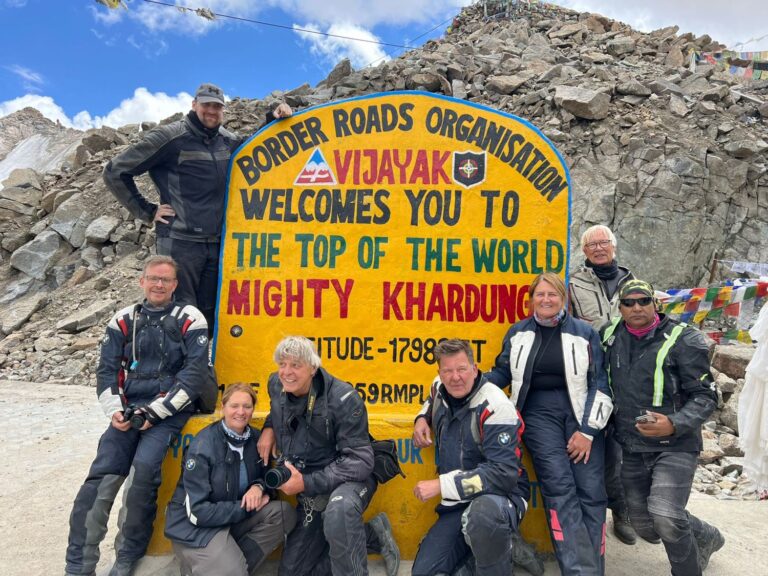
Dreaming of endless mountain switchbacks in the Himalayas or the Andes? At altitudes above 2,500 meters, altitude sickness can become an invisible passenger on your motorcycle adventure. This blog explains the causes and common symptoms of altitude sickness, along with practical tips to prevent it—from gradual acclimatization and proper hydration to the right nutrition. Discover how to ride safely and enjoy high-altitude motorcycle touring while protecting your health.
Unsere Reisepreise sind versichert