
$800 for a gorilla permit?! This is a question we regularly get from participants on our motorcycle tour through Rwanda and Uganda. Visiting the mountain gorillas in Bwindi Impenetrable Forest National Park in Uganda is optional – and $800 is a lot of money, even for a special travel experience.
So, is gorilla trekking in Uganda really worth it? We think it is. But before you decide, it is worth knowing what you are paying for, what to expect from a gorilla trek and why the permits are so expensive in the first place.
Let’s get one thing out of the way first: yes, $800 is a considerable amount of money. However, this is not an ordinary tourism fee, but a direct contribution to the survival of an endangered species.
The fascinating mountain gorillas are still threatened to this day. There are only just over 1,000 of these animals left in the world, and they live exclusively in two small, strictly protected regions in East Africa.
Almost all of the revenue from the gorilla permits goes directly towards active conservation. The national park authorities use the money to fund:
This system is conservation in action. The legendary researcher Dian Fossey dedicated her life to protecting these animals and laid the foundations for the conservation work being carried out today. What Dian Fossey began in neighbouring Rwanda is now continued professionally in Bwindi Forest.
Without these strictly regulated conservation measures, these gentle giants would probably no longer be with us today.
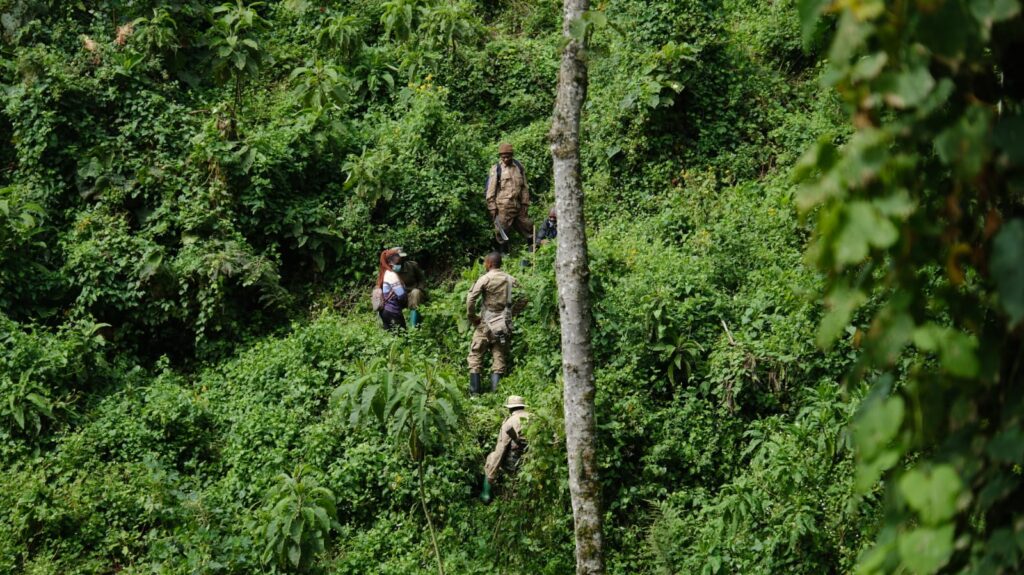
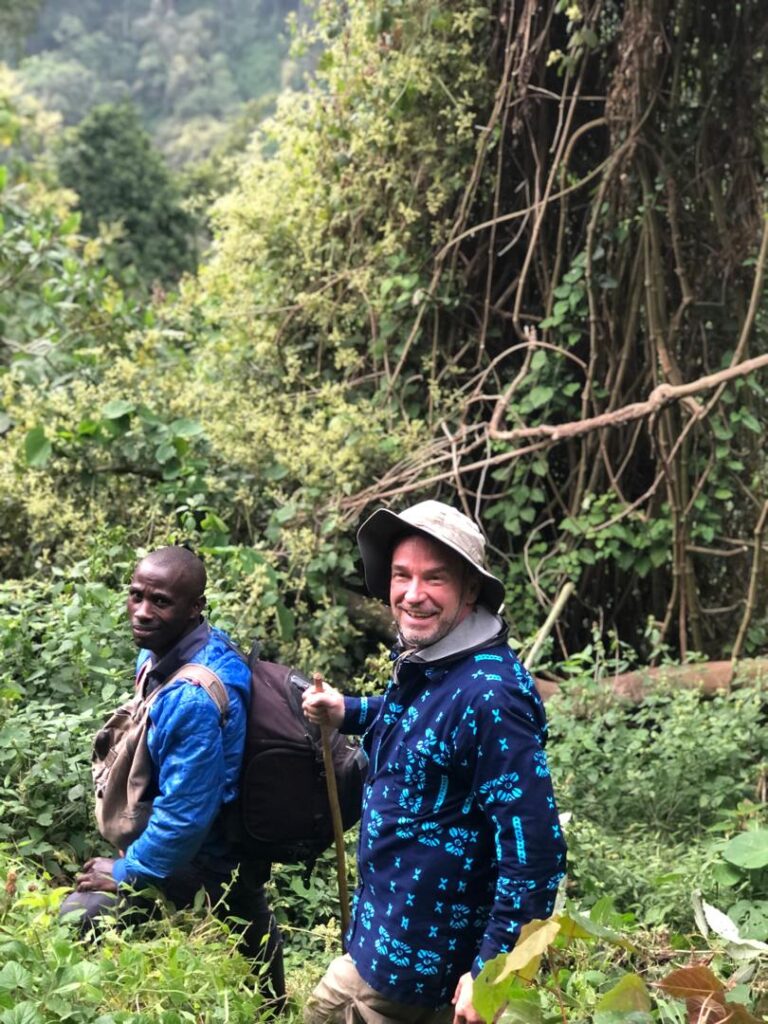
Facts and statistics can tell you a lot about mountain gorillas, but nothing quite prepares you for seeing them in the wild. On trekking day, the motorcycle stays behind. You swap your helmet for sturdy hiking boots and follow experienced rangers on foot into the dense, humid rainforest. The name “Impenetrable Forest” certainly lives up to its reputation.
You never know in advance how long the trek will take. Trackers set off early in the morning to locate the mountain gorillas. Sometimes the hike takes just half an hour, sometimes two or three hours, or even longer. And we are not talking about well maintained hiking trails. You make your way through the middle of the jungle, uphill and downhill, over roots and along slippery paths.
At the start of the trek, you can hire a porter for around US$20. They carry your daypack with water and other belongings, provide you with a walking stick and lend a hand on steep or slippery sections. This not only makes the trek easier, but also supports local people who earn an income through this work.
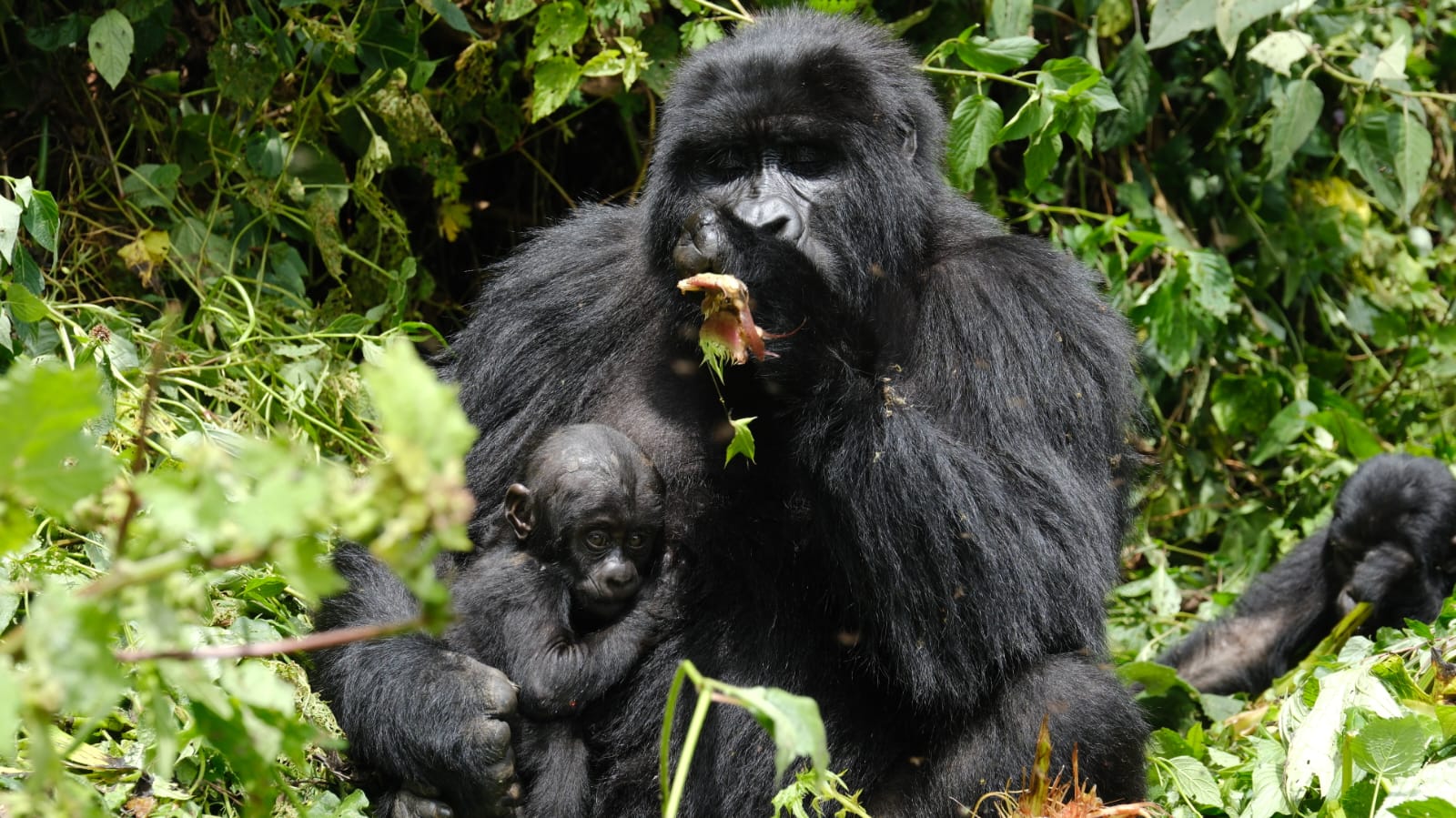
When the rangers finally push aside the branches or use a machete to clear a path through the vegetation, the moment everyone has been waiting for arrives: just a few metres away, a powerful silverback may be sitting calmly chewing on leaves, while young gorillas climb through the greenery and play with each other.
What makes this encounter so special is how close you are and how remarkably similar mountain gorillas are to us. Did you know that mountain gorillas share around 98% of their DNA with humans?
We are allowed to spend one hour with the gorillas, and as you watch them, you quickly begin to notice just how developed their social behaviour is. The way they interact with each other, the youngsters playing, the adults eating or simply sitting among the vegetation. Seeing all of this from just a few metres away feels very different from watching it in a documentary.
By remaining quiet, keeping our distance and avoiding direct eye contact, we can observe the gorillas in their natural habitat. For many of our participants, this moment is one of the highlights of the journey.
At Motor2Travel, we are passionate about the pure adventure of riding. But for us, an unforgettable journey also means experiencing the highlights beyond the road. The combination of riding a motorcycle through the African mountains and having this unique opportunity to encounter mountain gorillas in the wild is what makes this tour so special.
After several days in the saddle, a day of gorilla trekking in Bwindi Impenetrable Forest offers a welcoming change. You are out on foot in the fresh air, surrounded by untamed nature, while your visit also contributes to gorilla conservation. And you leave with memories that will stay with you for a lifetime. None of our participants so far has ever regretted the investment. Quite the opposite: for many, the gorilla trekking was one of the highlights of the entire journey.
Our clear recommendation is: Yes. If you are already travelling halfway around the world to explore East Africa on two wheels, you should not miss the opportunity to see mountain gorillas in the wild. Around USD 800 is a lot of money, but part of the revenue goes towards protecting the gorillas, their habitat and the surrounding communities.
The number of gorilla permits is limited. If you want to take part in gorilla trekking, you should therefore book well in advance rather than waiting until shortly before your trip.
Our tip: Secure your gorilla permit in good time and join us on a motorcycle tour through Rwanda and Uganda.
Over de auteur

Motor2Travel develops and organizes adventurous motorcycle tours worldwide. Since 2006, they guide tours across the globe, using their experience to connect travellers with countries, cultures and local communities beyond the beaten track.
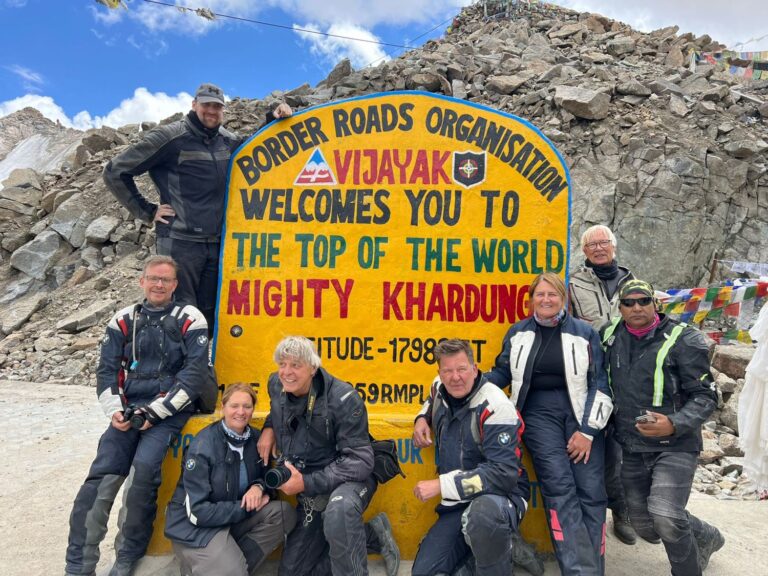
Dreaming of endless mountain switchbacks in the Himalayas or the Andes? At altitudes above 2,500 meters, altitude sickness can become an invisible passenger on your motorcycle adventure. This blog explains the causes and common symptoms of altitude sickness, along with practical tips to prevent it—from gradual acclimatization and proper hydration to the right nutrition. Discover how to ride safely and enjoy high-altitude motorcycle touring while protecting your health.
Unsere Reisepreise sind versichert